



A ritual to suit you and your personality
Ceremony Rituals
There are multiple ways to enhance a ceremony and new trends come into being on a regular basis. I have a particular grá for Celtic traditions but, as a celebrant, it is my role to suggest a ritual to suit you and your personality. Some of the most popular rituals are below.

Ancient and Celtic
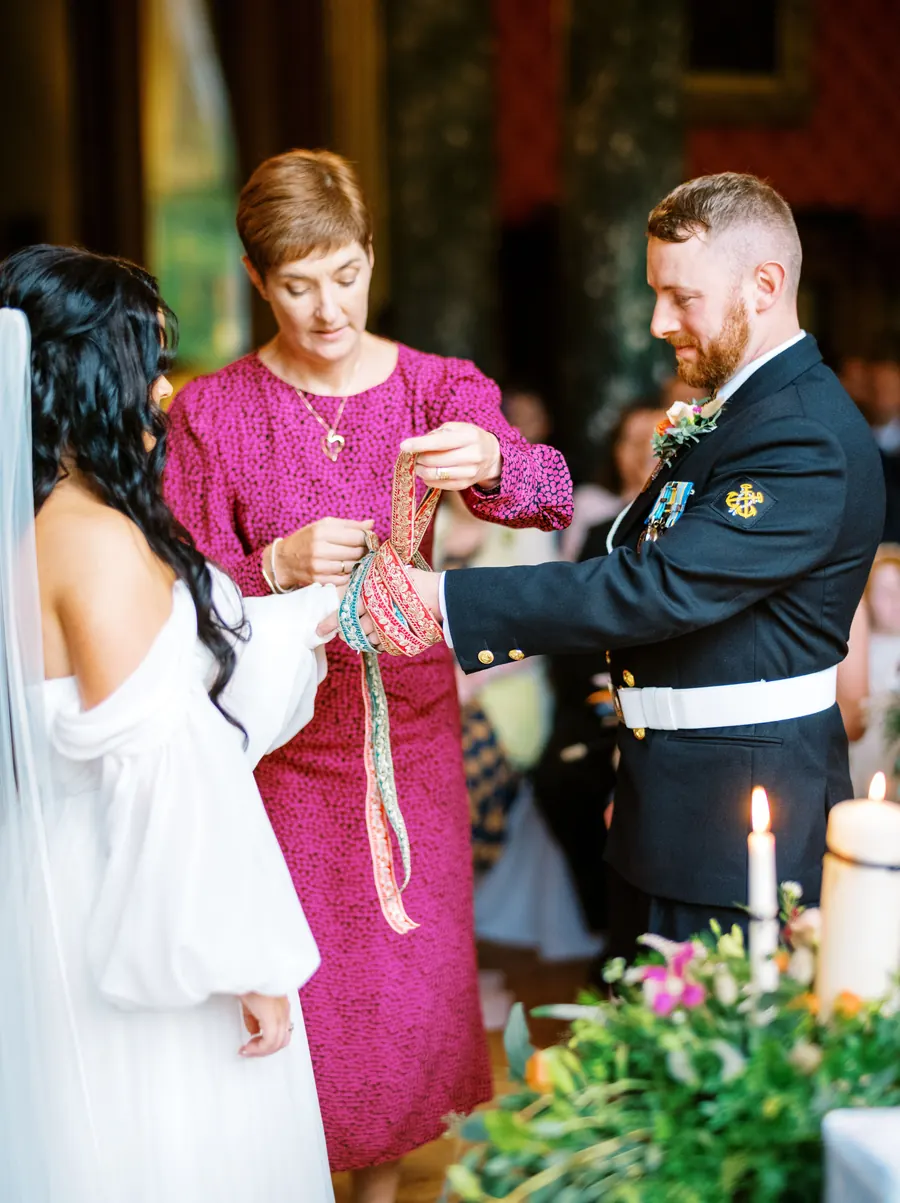
Handfasting
An ancient Celtic tradition from where we get the phrase ‘tying the knot’
The colours of ribbons or ties used represent various traits, red for passion, blue for devotion, yellow for balance. Couples might also use their favourite football colours or team colours - it’s your day after all!

Irish tradition
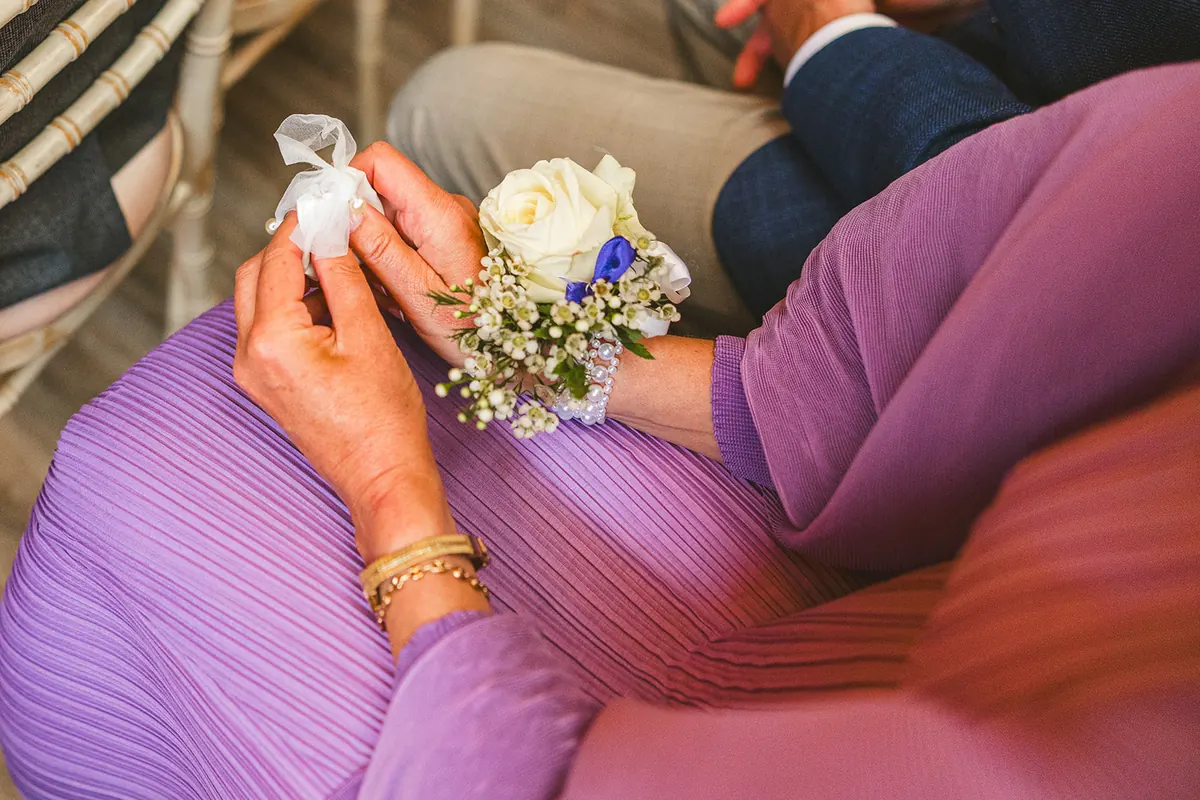
Ring warming
A wish from every pair of hands in the room
Another Irish tradition where guests take a moment to hold the wedding rings and make a wish for the couple’s future before returning them to be placed forever on the happy couple’s fingers.
Romantic and reflective
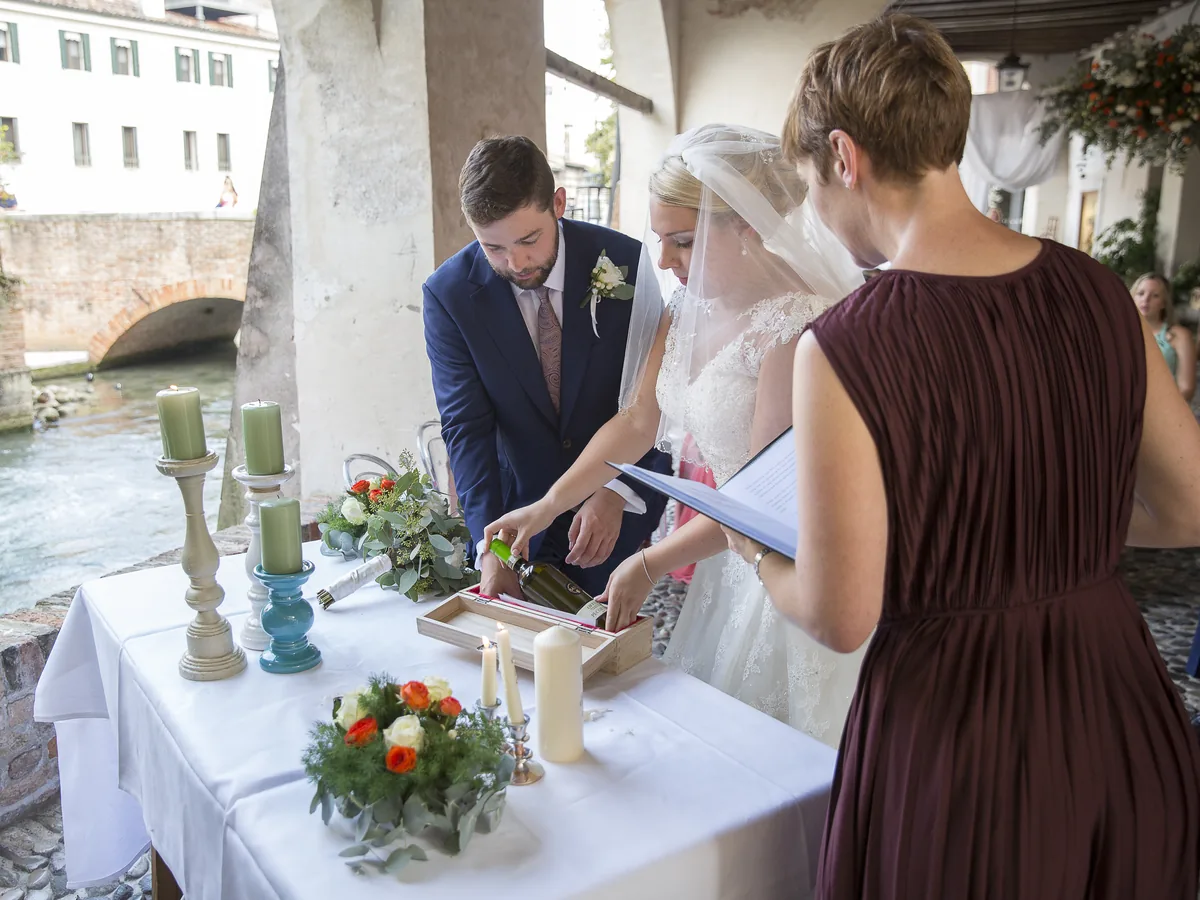
Wine Box & Time Capsule Ceremony
A bottle, a letter, and a promise to open it later
The wine box and time capsule ceremony is a romantic and reflective wedding ritual. The couple places a bottle of wine (or other meaningful drink), love letters, and sometimes keepsakes or notes from family and friends into a box, sealing it during the ceremony.
The box is then opened on a future anniversary or during a challenging time, serving as a reminder of the love, promises, and joy shared on the wedding day - a celebration of growth, resilience, and the journey ahead.
The box is then opened on a future anniversary or during a challenging time, serving as a reminder of the love, promises, and joy shared on the wedding day - a celebration of growth, resilience, and the journey ahead.
Stepping into a new life
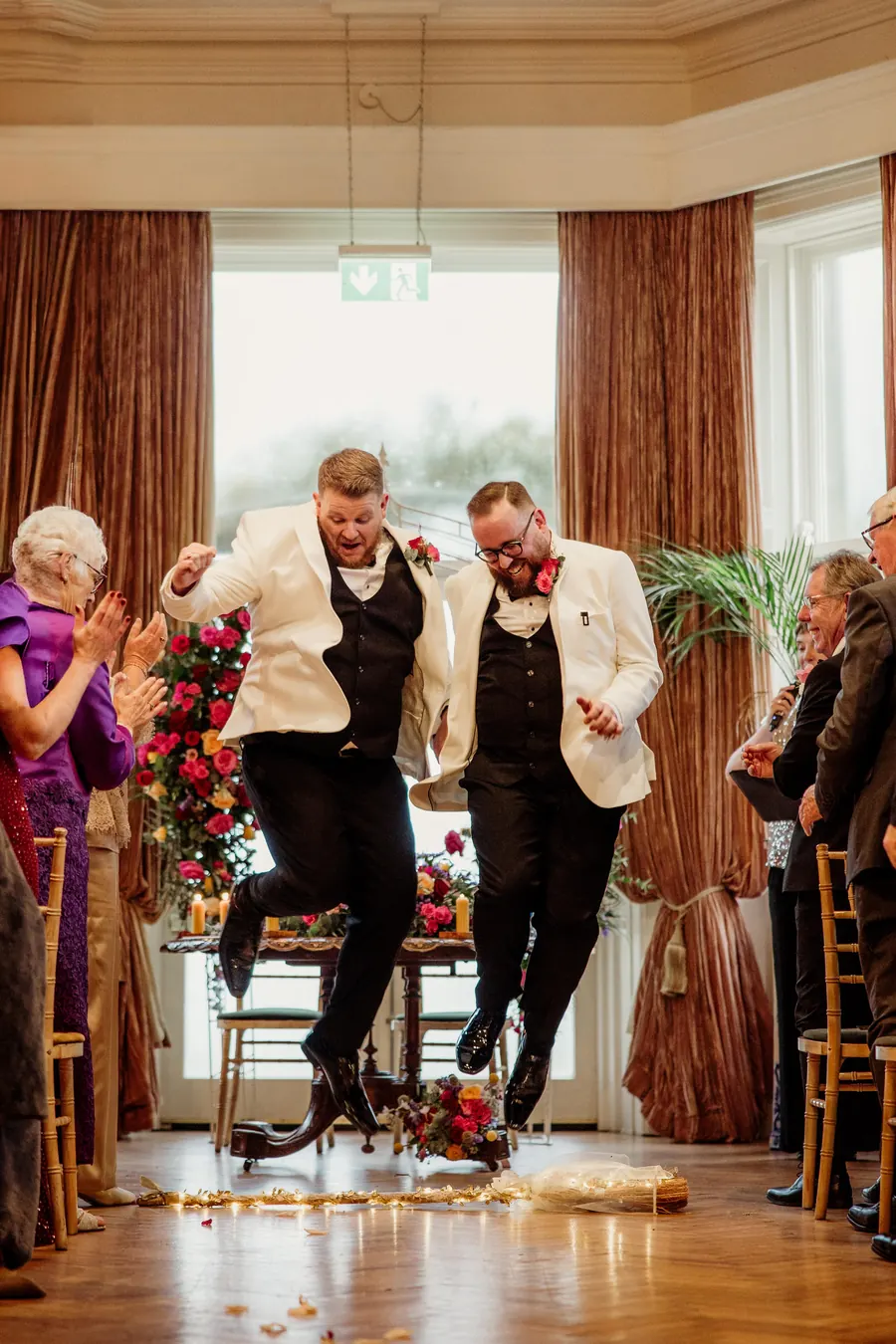
Jumping the Broom
A Joyful Tradition with Celtic and LGBTQ+ Roots
Jumping the broom is a joyful, symbolic ritual that marks a couple’s leap into a new life together. While it’s most commonly associated with African-American heritage, it also has deep roots in Celtic history, where handfasted couples would jump over a broom or besom as a gesture of sweeping away the old and stepping into a shared future.
In modern ceremonies, especially among LGBTQ+ couples, jumping the broom has been embraced as a celebration of love, resilience, and chosen traditions. For many, it’s a powerful way to honour a blend of ancestry, defiance of norms, and the joyful act of claiming space in the world, together.
The broom itself, often decorated with ribbons or greenery, becomes a beautiful keepsake of the moment two hearts chose to leap forward, side by side.
In modern ceremonies, especially among LGBTQ+ couples, jumping the broom has been embraced as a celebration of love, resilience, and chosen traditions. For many, it’s a powerful way to honour a blend of ancestry, defiance of norms, and the joyful act of claiming space in the world, together.
The broom itself, often decorated with ribbons or greenery, becomes a beautiful keepsake of the moment two hearts chose to leap forward, side by side.
Blending families
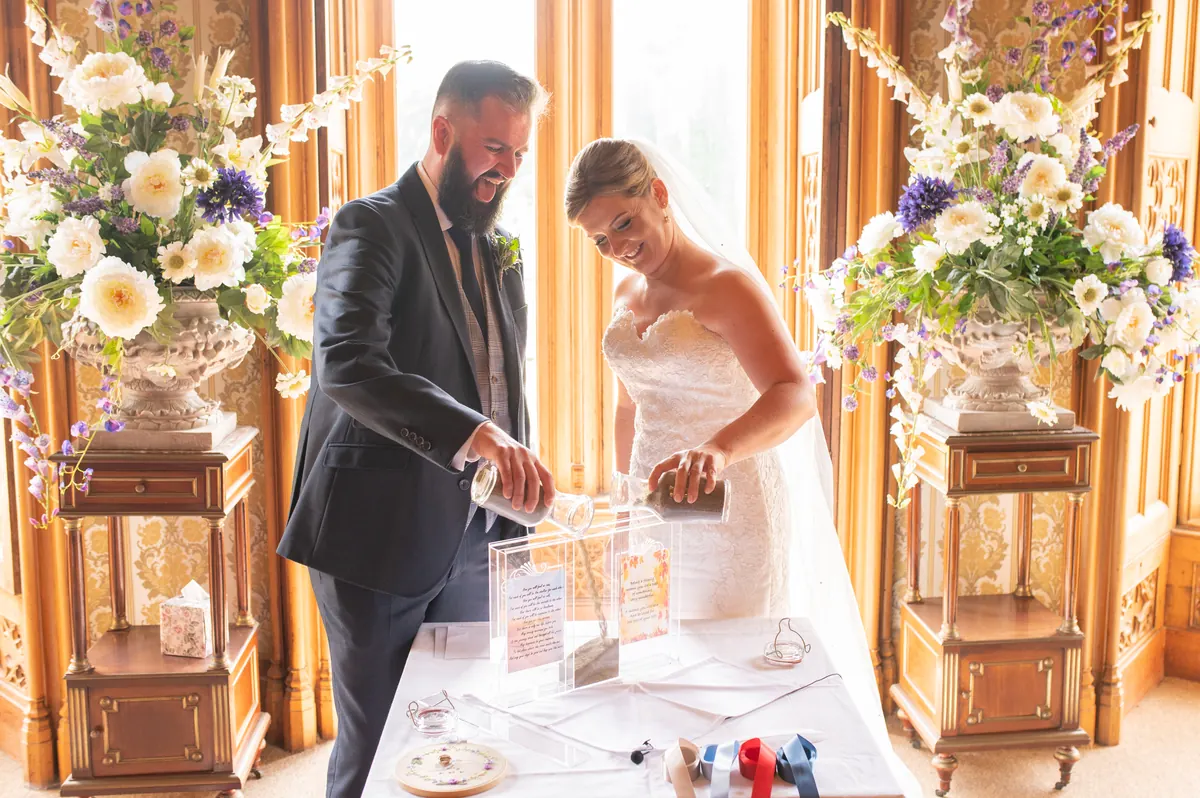
Sand blending
Layer upon layer, one family from two
This is particularly symbolic when two families are blending together. Children are encouraged to add their layer of sand (usually multiple colours are used) to that of their parents and siblings. Another version, especially lovely for the joining of two nationalities, is when the sand from a favourite beach in each country is blended together.
The love of both families
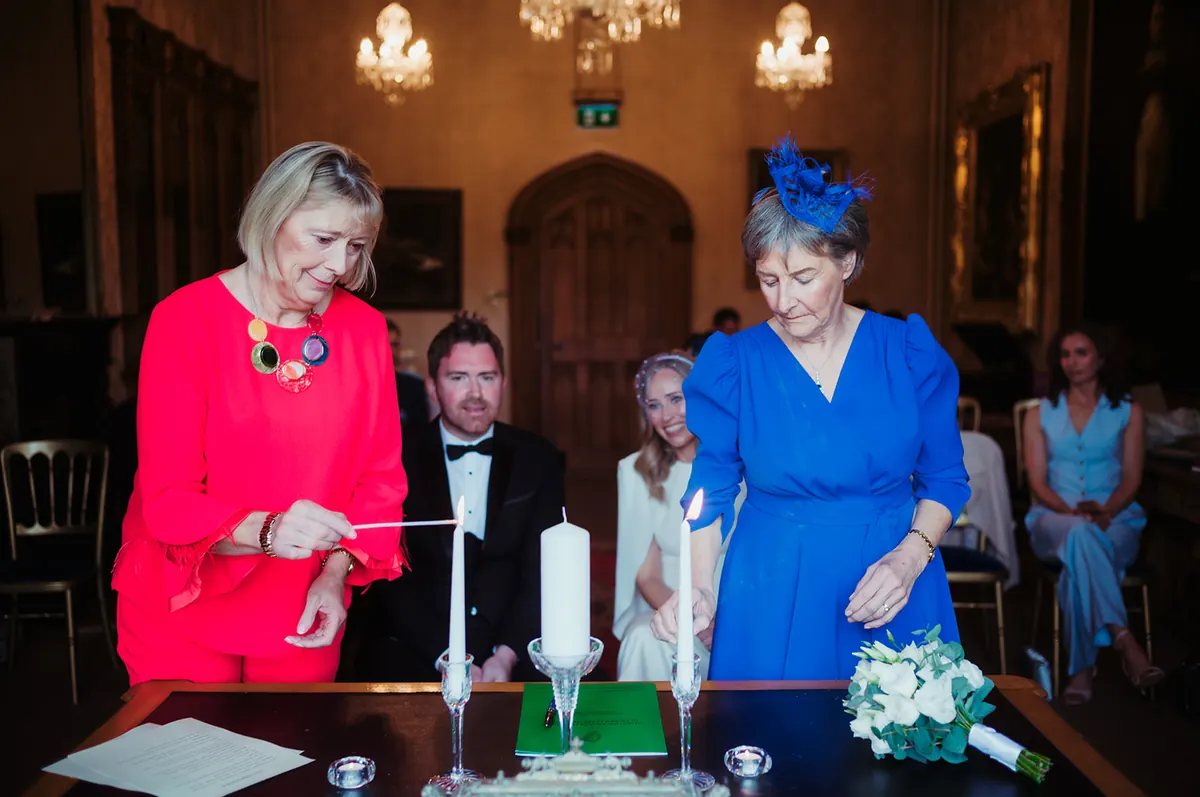
Unity Candles
Two family flames, lighting one between them
Two candles are lit at the start of the ceremony, usually by family members, representing the love and warmth of the couple’s families. The couple then take a light from their family candle and together light a central candle, bringing the love of their families to their marriage.
Scottish, Irish and beyond
The Loving Cup Ceremony
One cup, passed from hand to hand
The loving cup ritual is one of the oldest unity traditions in wedding ceremonies, with roots across Scottish, Irish, French and Jewish custom. In Scotland it takes the form of the quaich, a two-handled cup shared between the couple as a symbol of trust.
Wherever it comes from, the idea is the same - sharing a drink together to represent the sweetness and the challenges of married life, and the promise to meet both side by side. It’s a simple, meaningful moment that can be adapted to any couple’s heritage, favourite drink, or family story, and makes a beautiful addition to a ceremony, whether marking a Celtic connection or simply the shared journey ahead.
Wherever it comes from, the idea is the same - sharing a drink together to represent the sweetness and the challenges of married life, and the promise to meet both side by side. It’s a simple, meaningful moment that can be adapted to any couple’s heritage, favourite drink, or family story, and makes a beautiful addition to a ceremony, whether marking a Celtic connection or simply the shared journey ahead.
I love searching them out
Ask about any ritual
There are many rituals in wedding traditions globally. I love searching them out so don’t be afraid to ask if you can’t find something to suit your personality and beliefs.